To begin the Govardhan Yatra from Mathura, you'll need to reach Govardhan Parvat, which is approximately 22 kilometres away from Mathura. Here's a detailed guide on how to travel from Mathura to Govardhan and begin your yatra.

1. Reaching Mathura:

As mentioned earlier, Mathura is well-connected by air, train, and road from various parts of India. Once you arrive in Mathura, the next step is to travel to Govardhan, where the parikrama will begin.
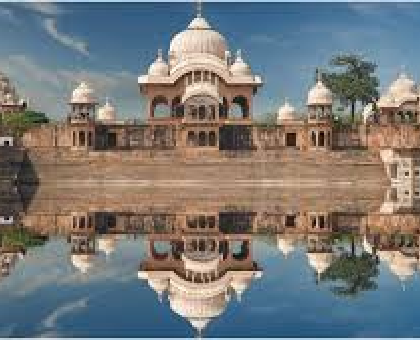
2. Traveling from Mathura to Govardhan:

By Taxi/Car:

  • Private Taxi/Car: Hiring a private taxi or car from Mathura to Govardhan is the most convenient option, especially if you’re travelling with family or in a group. Taxis are readily available at Mathura Junction Railway Station, Mathura Bus Stand, and various parts of the city. The journey takes about 30-40 minutes, depending on traffic. The route is straightforward and well-paved, making it a comfortable ride.
  • Shared Taxi/Jeep: If you're looking for a more economical option, shared taxis or jeeps are available near the railway station and bus stand. These vehicles are frequently used by pilgrims and locals travelling between Mathura and Govardhan. The fare is affordable, but the journey might take a bit longer as these vehicles wait until they are full before departing.

    By Auto-Rickshaw:

    Auto-rickshaws are another popular mode of transport between Mathura and Govardhan. While slightly slower than a taxi, they are economical and readily available. You can hire a private auto-rickshaw or opt for a shared one, which functions similarly to shared taxis.

    By Bus:

  • Local Bus Service: Regular local buses operate between Mathura and Govardhan. Buses can be boarded from the Mathura Bus Stand or other bus stops along the main roads in Mathura. This is an economical option, especially for solo travellers or those on a budget. The bus ride typically takes around 45 minutes to an hour.
  • Government-Operated Buses: Uttar Pradesh State Road Transport Corporation (UPSRTC) operates buses between Mathura and Govardhan. These buses are reliable and affordable, and they run frequently throughout the day.

3. Arrival in Govardhan:

Once you arrive in Govardhan, the first stop is typically Manasi-Ganga Kund, the traditional starting point for the Govardhan Parikrama. This kund (holy water tank) holds great religious significance, as it is believed to have been created by Lord Krishna.

4. Preparing for the Parikrama:

Before beginning the parikrama, here are a few steps you can take:

  • Bathing in Manasi-Ganga: Many devotees start their parikrama by taking a ritual bath in the sacred waters of Manasi-Ganga Kund. This is considered purifying and spiritually uplifting, preparing the mind and body for the pilgrimage.
  • Offering Prayers at the Manasi-Ganga Temple: After the bath, devotees often visit the Manasi-Ganga Temple located nearby to offer prayers and seek blessings for a successful yatra.
  • Collecting Parikrama Essentials: Ensure you have all the necessary items for the parikrama, such as water, snacks, comfortable footwear, and possibly a walking stick. You can also collect devotional items like flowers, incense, and prasad (offerings) from nearby shops.

5. Starting the Govardhan Parikrama:

  • First Stop – Harideva Temple: The traditional parikrama route begins with a visit to the Harideva Temple, dedicated to Lord Krishna. Offering prayers here is considered auspicious before proceeding on the yatra.
  • Following the Parikrama Path: After visiting Harideva Temple, you proceed along the designated parikrama path. This 23-kilometer route is well-marked and passes through various significant spots, including Radha Kund, Shyama Kund, Kusum Sarovar, and more.

6. Key Points to Remember During the Yatra:

  • Duration: The complete parikrama typically takes about 5-6 hours if you are walking at a steady pace. However, you can take breaks, especially at the holy sites along the way, to rest and reflect .
  • Dandavata Parikrama: If you choose to perform the dandavata parikrama, the journey will take much longer, possibly weeks or even months, depending on your pace and dedication.
  • Milk Parikrama: If you are performing the Milk Parikrama, remember to keep the pot filled and maintain the ritual throughout the journey. You may want to have a family member or companion assist you.
  • No Time Restrictions: There is no strict time limit to complete the parikrama. You can go at your own pace, absorbing the spiritual atmosphere and the divine energy of Govardhan.

7. Completing the Parikrama:

The parikrama concludes at Puchari Ka Lautha, the tail end of Govardhan Hill. After completing the circumambulation, many devotees return to Manasi-Ganga for a final prayer or ritual to mark the end of their pilgrimage. Some may also choose to visit the nearby temples and holy sites to offer their gratitude and seek further blessings.

8. Returning to Mathura:

After completing the yatra, you can return to Mathura using the same modes of transportation—taxi, auto-rickshaw, or bus. If you have time, you may also want to explore other spiritual and cultural sites in Mathura, such as the Krishna Janmabhoomi Temple, Dwarkadhish Temple, and Vishram Ghat, before heading back home.

This journey from Mathura to Govardhan and the subsequent yatra offers a deeply spiritual experience, connecting you with the divine history and the sacred geography of the Braj region.