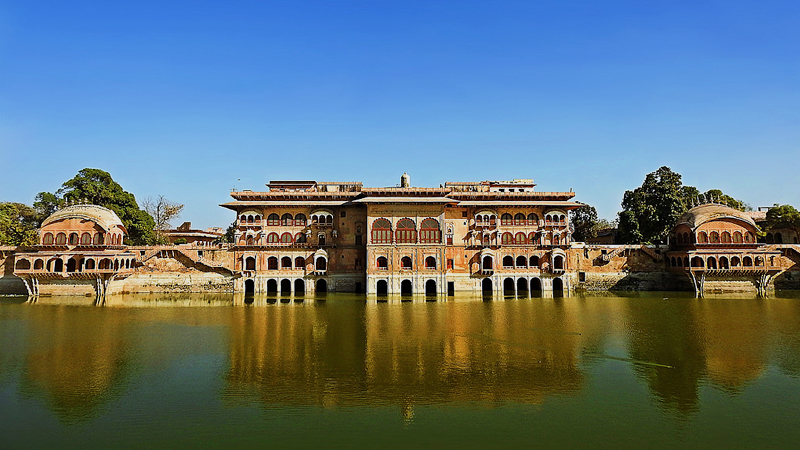
Deeg, located in the Bharatpur district of Rajasthan, India, is a historic town renowned for its palaces, gardens, and ancient architecture. Known for its connection to the Jat rulers of the region, particularly the rulers of the Jat dynasty, Deeg is a significant destination for its historical and cultural heritage. Here’s a detailed description of key places of interest in Deeg:
1. Deeg Fort
Description: The Deeg Fort is a historic fort that was built by the Jat rulers of Bharatpur. It is known for its impressive architecture and fortifications, including walls, gates, and bastions.
Significance: The fort served as a military stronghold and residence for the Jat rulers. Its strategic location and architectural features reflect the fort’s historical importance.
Local Practices: Visitors explore the fort's walls, gates, and bastions, learning about its historical significance. The fort is a key site for understanding the military and cultural history of Deeg.
2. Deeg Palace
Description: The Deeg Palace, also known as the "Deeg Mahal," is a grand palace built by the Jat rulers. It is renowned for its beautiful architecture, including intricate carvings and ornamental designs.
Significance: The palace served as a royal residence and is a testament to the opulence of the Jat dynasty. Its architecture and design reflect the artistic and cultural achievements of the period.
Local Practices: Visitors admire the palace's architecture, explore its rooms and courtyards, and learn about its historical context. The palace is a significant attraction for those interested in royal history and architecture.
3. Gopal Bhavan
Description: Gopal Bhavan is a part of the Deeg Palace complex and was used as a residence for the royal family. It features exquisite Mughal and Rajput architectural styles.
Significance: The building is known for its architectural beauty and historical significance as part of the royal residence. It reflects the cultural blend of Mughal and Rajput styles.
Local Practices: Visitors explore Gopal Bhavan's architecture, including its courtyards, gardens, and decorative elements. The building is a key part of the historical narrative of Deeg.
4. Krishna Bhavan
Description: Krishna Bhavan, also known as the Krishna Temple, is an important religious site in Deeg dedicated to Lord Krishna. It is part of the Deeg Palace complex.
Significance: The temple is significant for its religious and cultural importance, reflecting the devotion of the Jat rulers to Lord Krishna. It features intricate carvings and artistic elements.
Local Practices: Devotees and visitors come to offer prayers, participate in rituals, and engage in devotional activities. The temple is a focal point for spiritual and cultural practices.
5. Suraj Bhawan
Description: Suraj Bhawan is another part of the Deeg Palace complex, known for its architectural elegance and design. It was used for royal ceremonies and functions.
Significance: The building is significant for its role in royal events and its architectural style, which reflects the grandeur of the Jat dynasty.
Local Practices: Visitors explore Suraj Bhawan's architectural features and learn about its historical role. The building is an important part of the cultural heritage of Deeg.
6. Jaswant Palace
Description: Jaswant Palace is a historic palace located in Deeg, known for its architectural beauty and historical significance. It was used as a residence by the Jat rulers.
Significance: The palace is notable for its design and construction, showcasing the artistic and cultural achievements of the Jat dynasty.
Local Practices: Visitors explore the palace’s architecture, including its rooms and courtyards. The palace is a key site for understanding the royal history of Deeg.
7. Nakshatra Van
Description: Nakshatra Van is a beautiful garden complex located near Deeg. It is known for its meticulously designed gardens, water features, and landscaping.
Accessibility: The garden complex reflects the Jat rulers' appreciation for nature and aesthetics. It is a significant site for understanding the landscaping and gardening traditions of the period.
Local Practices: Visitors stroll through the gardens, enjoy the water features, and reflect on the beauty of the landscape. The garden is a popular spot for relaxation and leisure.
8. Bharatpur Bird Sanctuary (Keoladeo National Park)
Description: Although not directly in Deeg, the Bharatpur Bird Sanctuary, also known as Keoladeo National Park, is nearby and is a renowned wildlife sanctuary.
Significance: The sanctuary is significant for its biodiversity and as a habitat for numerous bird species. It is a UNESCO World Heritage Site and an important destination for birdwatchers.
Local Practices: Visitors engage in birdwatching, explore the park's trails, and participate in nature photography. The sanctuary is a key attraction for wildlife enthusiasts.
9. Radha Mandir
Description: Radha Mandir is a temple dedicated to Radha, the consort of Lord Krishna. It is located in Deeg and is an important site for devotees.
Significance: The temple is significant for its religious importance and devotion to Radha. It features traditional temple architecture and design.
Local Practices: Devotees visit Radha Mandir to offer prayers, participate in rituals, and engage in devotional activities. The temple is an important part of the spiritual landscape of Deeg.
10. Shiva Temple (Deeg)
Description: The Shiva Temple in Deeg is dedicated to Lord Shiva and is known for its spiritual ambiance and architectural features.
Significance: The temple is significant for its religious importance and its role in the local spiritual practices. It reflects the devotion to Lord Shiva in the region.
Local Practices: Visitors offer prayers, participate in rituals, and engage in spiritual reflection. The temple is a key site for understanding local religious practices.
11. Jat Mahal
Description: Jat Mahal is a historic building associated with the Jat rulers. It is known for its architectural style and historical context.
Significance: The building is significant for its role in the history of the Jat dynasty and its architectural features.
Local Practices: Visitors explore Jat Mahal’s architecture and learn about its historical role in the region.
Deeg, with its rich historical and cultural heritage, offers a unique experience for visitors interested in royal history, architecture, and spiritual practices. Each site in Deeg contributes to the understanding of the region’s past and its cultural significance.