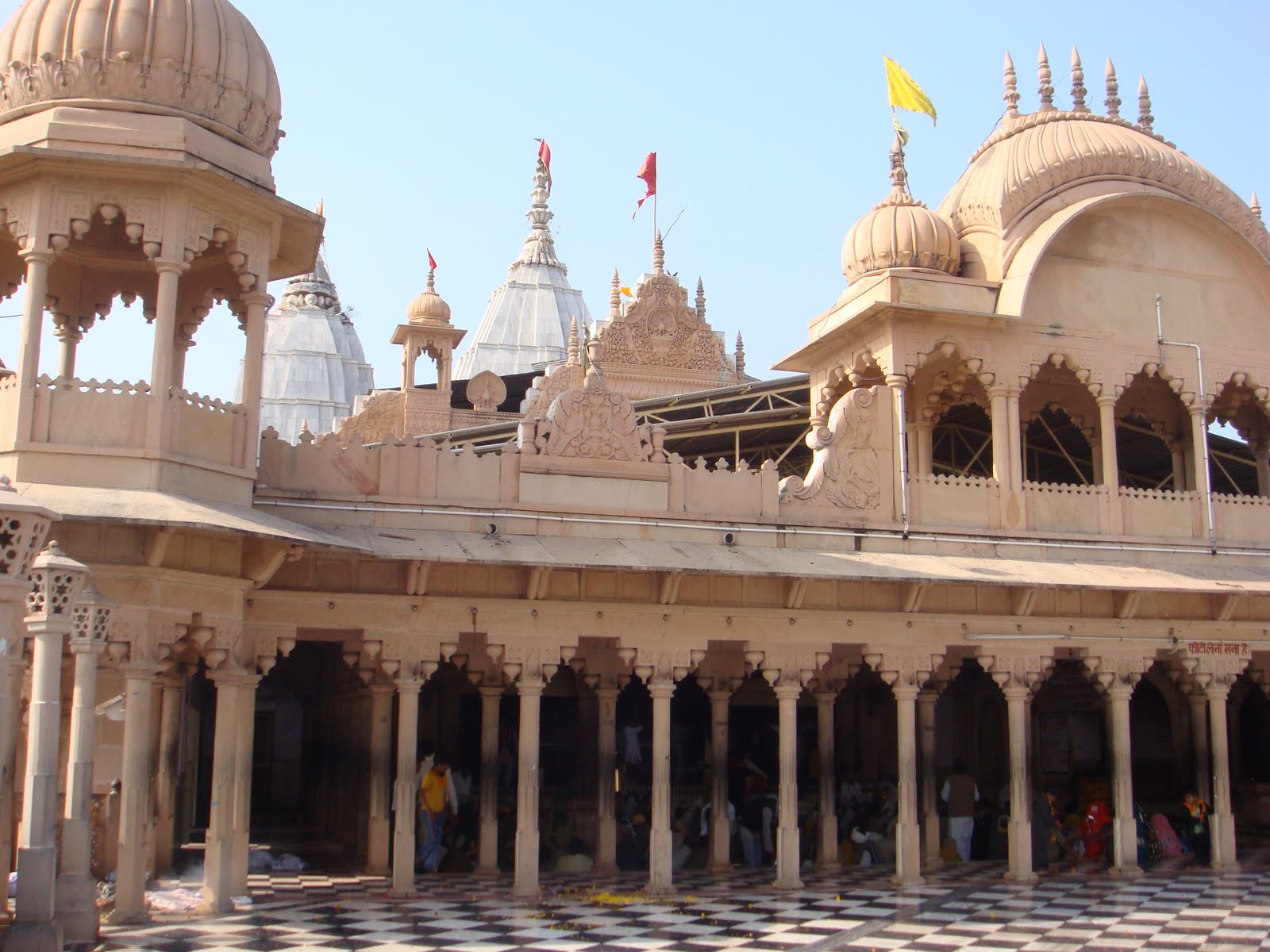
Barsana, located near Mathura in Uttar Pradesh, is a significant pilgrimage site associated with Radha, the beloved consort of Lord Krishna. It is renowned for its religious and cultural heritage, with numerous temples and sacred sites dedicated to Radha. Here’s an elaborate description of key places of interest in Barsana:
1. Radha Rani Temple
Description: The Radha Rani Temple, also known as the Shrinathji Temple, is the principal temple in Barsana dedicated to Radha. The temple is situated on a hilltop and offers a panoramic view of the surrounding area.
Significance: The temple is central to Barsana’s spiritual significance, as it honors Radha, who is considered the embodiment of divine love. The deity here is worshipped with great devotion, and the temple is a major pilgrimage destination.
Local Practices: Devotees visit the temple to offer prayers, participate in aartis (rituals), and engage in devotional singing and meditation. The temple attracts large crowds during Radha Ashtami, the festival celebrating Radha's birthday.
2. Nandgaon
Description: Nandgaon is a village near Barsana and is associated with Krishna’s foster father, Nanda Maharaj. It is an important site for understanding Krishna’s early life and his relationship with Radha.
Significance: Nandgaon is significant for its connection to Krishna’s early childhood and his divine pastimes. It features several important temples and historical sites related to Krishna’s life.
Local Practices: Pilgrims visit Nandgaon to explore the temples, participate in devotional activities, and understand the historical context of Krishna’s early years.
3. Sankari Khor
Description: Sankari Khor is a sacred site located in Barsana, believed to be the place where Radha and her friends engaged in playful activities with Krishna.
Significance: The site is associated with the divine pastimes of Radha and Krishna and is revered for its spiritual ambiance.
Local Practices: Visitors often explore the site, engage in devotional activities, and reflect on the divine pastimes of Radha and Krishna.
4. Maan Mandir
Description: Maan Mandir is a temple located in Barsana dedicated to Radha and Krishna. The temple is known for its historical and architectural significance.
Significance: The temple is an important site for devotees of Radha and Krishna, offering a place for worship and reflection.
Local Practices: Devotees visit Maan Mandir to offer prayers, participate in rituals, and engage in devotional practices.
5. Radha Kund and Shyama Kund
Description: Radha Kund and Shyama Kund are sacred ponds located near Barsana. Radha Kund is associated with Radha, and Shyama Kund is associated with Krishna.
Significance: Both ponds are considered highly auspicious and are central to the devotional practices of followers of Radha and Krishna. They are believed to be places where Radha and Krishna performed their divine pastimes.
Local Practices: Pilgrims take holy dips in the ponds, perform rituals, and engage in devotional activities. The area is frequented by those performing the sacred circumambulation of Barsana.
6. Ladli Lal Temple
Description: The Ladli Lal Temple is dedicated to Lord Krishna, known as Ladli Lal. It is located in Barsana and is known for its vibrant atmosphere and devotion.
Significance: The temple is significant for its focus on Krishna’s playful and loving nature. It attracts devotees who wish to connect with Krishna in a personal and heartfelt manner.
Local Practices: Visitors engage in worship, participate in aartis, and enjoy the lively atmosphere of the temple.
7. Shriji Temple
Description: The Shriji Temple is another important temple dedicated to Radha and Krishna, located in Barsana. It features intricate architecture and a serene ambiance.
Accessibility: The temple is significant for its devotional practices and the portrayal of Radha and Krishna’s divine love.
Local Practices: Devotees visit Shriji Temple to offer prayers, participate in rituals, and reflect on the teachings and divine pastimes of Radha and Krishna.
8. Barsana Fort
Description: The Barsana Fort is a historic fort located in Barsana, offering a panoramic view of the surrounding landscape. It is associated with the historical and cultural heritage of the region.
Significance: The fort provides historical context to the area and adds to the cultural richness of Barsana. It is an important site for understanding the historical backdrop of the region.
Local Practices: Visitors explore the fort, learn about its history, and enjoy the scenic views.
9. Radharani Temple
Description: The Radharani Temple is dedicated to Radha and is located in Barsana. It is known for its spiritual significance and beautiful architecture.
Significance: The temple is an important site for devotion to Radha and serves as a place for worship and spiritual reflection.
Local Practices: Visitors engage in devotional practices, including offering prayers and participating in aartis.
10. Keshavdeo Temple
Description: Keshavdeo Temple is dedicated to Lord Krishna and is located in Barsana. It is known for its spiritual ambiance and historical importance.
Significance: The temple is significant for its focus on Krishna and offers a place for devotees to connect with the divine.
Local Practices: Devotees visit the temple to offer prayers, participate in rituals, and engage in devotional activities.
11. Jeolikot Temple
Description: The Jeolikot Temple is a lesser-known but important site in Barsana. It is associated with various legends and divine pastimes.
Significance: The temple adds to the spiritual and cultural fabric of Barsana, offering insights into local traditions and practices.
Local Practices: Visitors explore the temple, engage in worship, and reflect on its spiritual significance.
Barsana, with its rich spiritual heritage and connection to Radha, offers a profound experience for devotees and pilgrims. Each site in Barsana contributes to the understanding and worship of Radha and Krishna, making it a significant destination in the Krishna devotion tradition.