Brajbhumi, often regarded as the "Land of Krishna," is a region deeply immersed in spiritual and cultural traditions, with numerous festivals that celebrate the life and leelas (divine pastimes) of Lord Krishna. These festivals are marked by vibrant rituals, music, dance, and communal devotion, attracting devotees from all over India and the world. The Govardhan Yatra, closely linked with the legends of Krishna, is a central pilgrimage that intertwines with many of these festivities. Here’s an elaborate look at the key festivals celebrated in Brajbhumi and their connection to the Govardhan Yatra:

1. Janmashtami: The Birth of Lord Krishna

When: August-September (Shravana-Bhadrapada month)
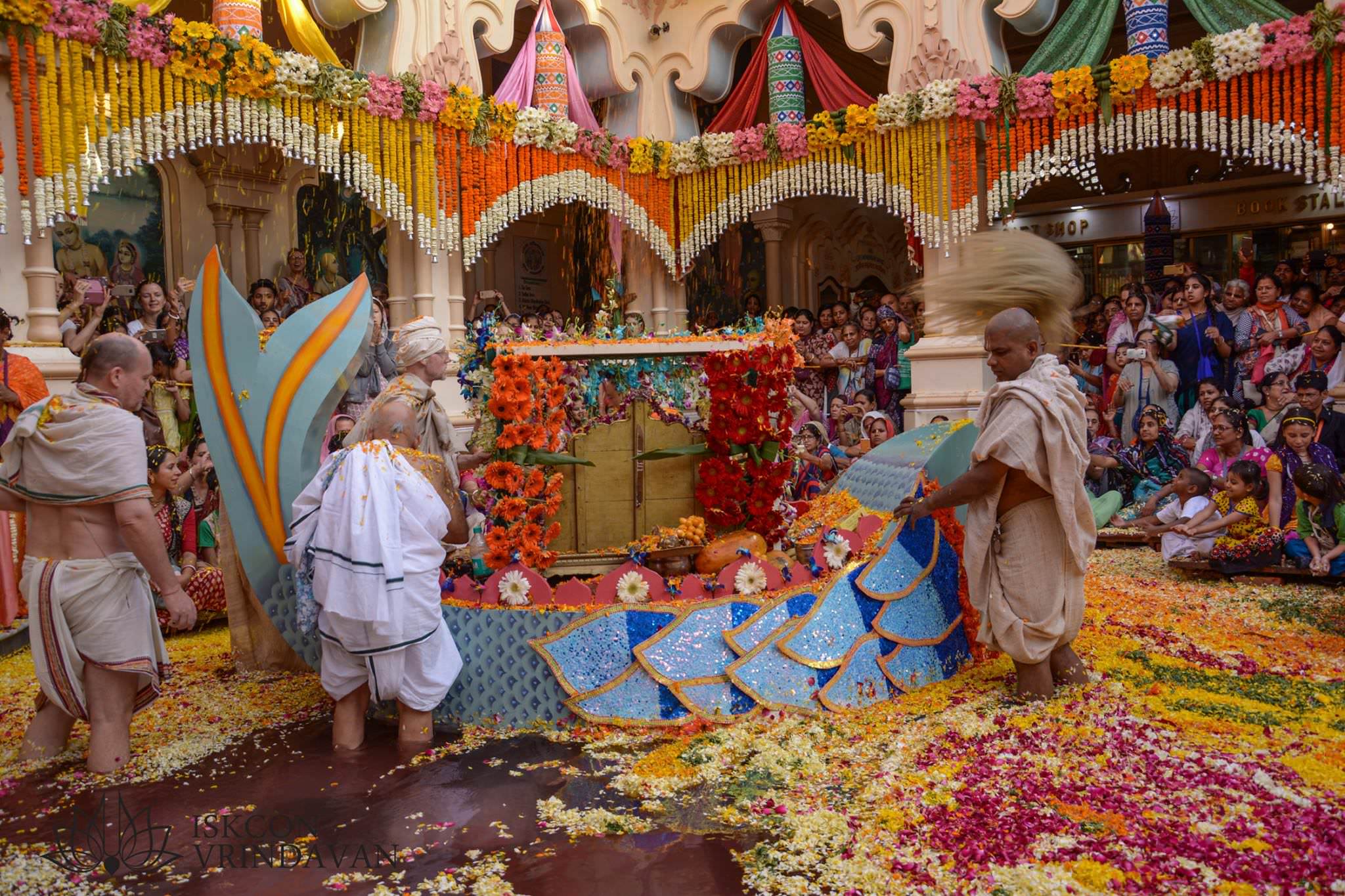
Significance:
  • Janmashtami marks the birth of Lord Krishna, who is believed to have been born at midnight on the eighth day (Ashtami) of the dark fortnight in the Hindu month of Bhadrapada.
  • Mathura, the birthplace of Krishna, becomes the epicentre of the celebrations, with temples across Brajbhumi, especially in Mathura and Vrindavan, participating in the festivities.
    • Celebrations:
    • Fasting and Midnight Vigil: Devotees observe a fast, which is broken only at midnight after the birth of Krishna and is celebrated with singing, dancing, and temple rituals.
    • Jhankis and Raas Leelas: Elaborate tableaux (jhankis) depicting scenes from Krishna’s life are set up in temples. Raas Leelas, dramatic reenactments of Krishna’s divine love play with the gopis (cowherd maidens), are performed with great fervour.
    • Govardhan Connection: Though Janmashtami is not directly associated with the Govardhan Yatra, the entire region of Brajbhumi, including Govardhan, becomes vibrant with devotion. Many pilgrims visit Govardhan Hill as part of their Janmashtami celebrations to pay homage to Krishna.

2. Govardhan Puja: Celebrating Krishna’s Miracle

When: October-November (Kartik month, the day after Diwali)

    Significance:
  • Govardhan Puja commemorates the day when Lord Krishna lifted the Govardhan Hill on his little finger to protect the people of Braj from the wrath of Lord Indra, the king of the gods.
  • The festival underscores the importance of nature and the belief that Krishna is the protector of his devotees.
  • Celebrations:
  • Annakut Festival: Devotees prepare a mountain of food (annakut) as an offering to Krishna. This food, made from grains, sweets, and other delicacies, is arranged in the shape of a hill, symbolizing Govardhan Hill.
  • Parikrama of Govardhan Hill: Thousands of pilgrims undertake the Govardhan Parikrama, a 23-kilometre circumambulation of the sacred hill, on this day. The atmosphere is charged with devotion, with chants of Krishna’s name, bhajans, and kirtans resonating through the air.
  • Rituals at Temples: Special prayers and rituals are performed at temples across Brajbhumi, particularly in Govardhan, Mathura, and Vrindavan. Devotees also create small replicas of Govardhan Hill using cow dung, which they decorate and worship.

3. Holi: The Festival of Colors

When: February-March (Phalguna month)

Significance:
  • Holi, the festival of colours, is one of the most exuberant and widely celebrated festivals in Brajbhumi. It commemorates the divine love between Krishna and Radha and is also associated with various legends of Krishna's playful pastimes
  • Brajbhumi is considered the birthplace of Holi, where Krishna’s youthful mischief with Radha and the gopis is celebrated with joy and colour.
  • Celebrations:
  • Lathmar Holi in Barsana: In Barsana, the birthplace of Radha, the unique Lathmar Holi is celebrated where women playfully hit men with sticks (lath) while the men try to protect themselves with shields. This re-enacts Krishna’s playful teasing of Radha and her friends.
  • Phoolon ki Holi in Vrindavan: In Vrindavan, the Banke Bihari Temple celebrates Phoolon ki Holi, where devotees play with flower petals, symbolizing love and devotion.
  • Traditional Holi in Govardhan: In Govardhan, the Holi celebrations are more traditional, with devotees participating in the parikrama, singing bhajans, and applying colours to each other in a spirit of brotherhood and joy. The festival is a time of community bonding, and the spiritual significance of the region enhances the festive atmosphere.

4. Radha Ashtami: The Birth of Radha

When: August-September (15 days after Janmashtami)

Significance:
  • Radha Ashtami celebrates the birth of Radha, the divine consort of Krishna. Radha is considered the embodiment of pure love and devotion, and her birth is a significant event in Brajbhumi, particularly in Barsana and Vrindavan.
  • Celebrations:
  • Special Pujas and Bhajans: Temples dedicated to Radha, especially the Radha Rani Temple in Barsana, perform special pujas, bhajans, and kirtans to honor her. Devotees sing songs in praise of Radha and Krishna, and the day is marked by deep spiritual devotion.
  • Processions and Devotional Gatherings: In Barsana and Vrindavan, processions carrying the deity of Radha are organized, with devotees participating in large numbers. The atmosphere is filled with the divine love stories of Radha and Krishna.
  • Govardhan Parikrama: Many devotees undertake the Govardhan Parikrama on Radha Ashtami, seeking blessings from both Radha and Krishna. The yatra on this day is particularly significant as it symbolizes the divine union of Radha and Krishna.

5. Guru Purnima: Honoring Spiritual Teachers

When: July (Ashadha month, full moon day)

Significance:
  • Guru Purnima is a day dedicated to honouring and expressing gratitude to one’s spiritual teachers (gurus). It is believed that on this day, Lord Krishna gave teachings to his friend and disciple, Arjuna, in the form of the Bhagavad Gita.
  • Celebrations:
  • Puja and Offerings to Gurus:Devotees offer special prayers and make offerings to their gurus, thanking them for their guidance and spiritual wisdom. In Brajbhumi, many devotees visit ashrams and temples to seek blessings from spiritual leaders.
  • Govardhan Parikrama: Performing the Govardhan Parikrama on Guru Purnima is considered highly auspicious. Devotees believe that circumambulating Govardhan Hill on this day brings immense spiritual merit and the blessings of both Krishna and their gurus.

6. Sharad Purnima: The Night of Divine Love

When: October (Ashwin month, full moon day)

Significance:
  • Sharad Purnima is celebrated on the full moon night of the Hindu lunar month of Ashwin. It is believed that on this night, Krishna performed the Raas Leela with Radha and the gopis on the banks of the Yamuna River.
  • Celebrations:
  • Raas Leela Performances: The night is marked by Raas Leela performances in Vrindavan, where devotees reenact Krishna’s dance with the gopis under the full moon. The performances are accompanied by devotional songs and traditional music.
  • Moonlight Parikrama: Many devotees undertake the Govardhan Parikrama at night under the full moon. The serene atmosphere and the moonlit path make the experience deeply spiritual and enchanting.
  • Kheer Prasadam: It is a tradition to prepare kheer (sweet rice pudding) on this night, which is then offered to Krishna and distributed as prasadam (blessed food) among devotees.

7. Makar Sankranti: The Harvest Festival

When: January (Paush month)

Significance:
  • Makar Sankranti marks the transition of the sun into the zodiac sign of Capricorn (Makara) and is a festival that celebrates the harvest season. It is also considered an auspicious time for spiritual practices and pilgrimages.
  • Celebrations:
  • Holy Dips in Yamuna: In Brajbhumi, devotees take holy dips in the Yamuna River at Mathura and Vrindavan, believing it to cleanse sins and bring blessings.
  • Govardhan Parikrama: Pilgrims often choose this day to perform the Govardhan Parikrama, as the day is believed to bring prosperity and spiritual upliftment. The cooler winter weather during Makar Sankranti makes the yatra comfortable and pleasant.

8. Kartik Purnima: The Festival of Lights

When: November (Kartik month, full moon day)

Significance:
  • Kartik Purnima, also known as Dev Diwali, is a major festival in Brajbhumi and has a special significance in the context of the Govardhan Yatra. It marks the full moon day of the Hindu lunar month of Kartik and is celebrated with immense devotion across the region.
  • The festival signifies the victory of divine light over darkness and is associated with the descent of gods to the earth. It is also believed to be the day when Lord Krishna defeated the demon Narakasura.
  • Celebrations:
    a. Deep Daan (Lighting Lamps):
  • Ceremony: On Kartik Purnima, devotees light thousands of small earthen lamps (diyas) and place them on the ghats of the Yamuna River, in temples, and along the streets. The sight of these lamps glowing against the night sky creates a beautiful and divine ambience
  • Significance: The lighting of lamps symbolizes the dispelling of darkness and ignorance. It is believed that by participating in this ritual, devotees receive divine blessings and spiritual enlightenment.
  • b. Kartik Snan (Holy Bath):
  • Ritual: Devotees take a holy dip in the Yamuna River or in sacred tanks, such as Radha Kund and Shyama Kund. The ritual bath is believed to purify the soul and bring spiritual merit.
  • Govardhan Connection: Many pilgrims also visit Govardhan Hill for a holy dip in the nearby sacred ponds and lakes. Performing the Kartik Snan at Govardhan is considered highly auspicious and is believed to enhance the spiritual significance of the pilgrimage.
  • c. Special Pujas and Offerings:
  • Temples: Temples dedicated to Krishna and Radha, especially in Govardhan, Vrindavan, and Mathura, perform special pujas and rituals on Kartik Purnima. Offerings of sweets, fruits, and flowers are made to the deities.
  • Govardhan Puja: As part of the Kartik Purnima celebrations, many devotees perform Govardhan Puja, offering food and prayers to the sacred hill. This act of devotion is believed to honour Krishna's miracle of lifting the hill and protecting the devotees from harm.
  • d. Govardhan Parikrama:
  • Pilgrimage: On Kartik Purnima, a significant number of pilgrims undertake the Govardhan Parikrama. The yatra around the hill is performed with great devotion, and many choose this day for its spiritual benefits and to participate in the festival's divine atmosphere.
  • Experience: The cooler weather of November makes the parikrama comfortable, and the festive decorations, illuminated by lamps and lights, add to the spiritual ambience of the journey. The path is lined with devotional music, bhajans, and processions, making the pilgrimage an immersive experience.
  • e. Community and Cultural Events:
  • Festive Activities: In addition to the religious rituals, Kartik Purnima in Brajbhumi is a time for communal gatherings, cultural performances, and fairs. Traditional music and dance performances, including Raas Leela, are organized, adding to the festive spirit of the occasion.
  • Pilgrims and Devotees: The influx of pilgrims during Kartik Purnima turns Brajbhumi into a vibrant hub of spiritual activity. The presence of thousands of devotees participating in the celebrations enhances the communal and devotional atmosphere of the region.

Conclusion

Kartik Purnima, with its emphasis on light, purity, and divine victory, adds a unique dimension to the Govardhan Yatra. The festival’s connection to Govardhan Hill and the accompanying rituals, such as the Govardhan Puja and the circumambulation of the hill, create a spiritually charged environment that deeply resonates with devotees.

Celebrating Kartik Purnima in Brajbhumi offers a profound opportunity to experience the richness of Krishna’s divine pastimes and the vibrant devotional culture of the region.