The best time to undertake the Govardhan Yatra is during the cooler months of the year, particularly from October to March. This period offers the most favourable weather conditions, making the pilgrimage more comfortable and spiritually fulfilling. Here’s a detailed look at why this time is ideal:
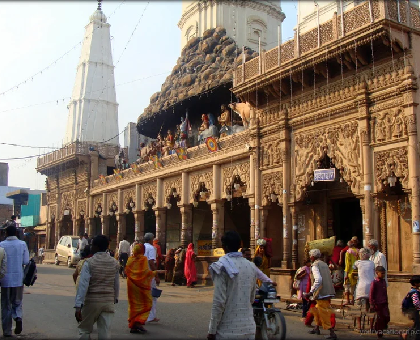
1. October to March: The Ideal Season

a. Autumn (October to November):
  • Weather:
    • The weather during autumn is mild and pleasant, with daytime temperatures ranging from 20°C to 30°C (68°F to 86°F).
    • Nights are cooler but not harsh, with temperatures ranging from 15°C to 20°C (59°F to 68°F).
  • Advantages:
    • The monsoon has just ended, leaving the landscape lush and green. The air is fresh, and the humidity is low, making it comfortable for walking.
    • This season marks the beginning of the festive period in India, which enhances the spiritual atmosphere with various religious events and celebrations.

  • Key Festivals:
    • Govardhan Puja: This festival usually falls in late October or early November, following Diwali. It commemorates Lord Krishna’s lifting of the Govardhan Hill to protect the villagers from torrential rains. Participating in the yatra during this time is particularly auspicious.
    c. Early Spring (February to March):
    • Weather:
      • Early spring sees temperatures gradually rising, with daytime temperatures ranging from 15°C to 25°C (59°F to 77°F).
      • Nights remain cool, with temperatures ranging from 10°C to 15°C (50°F to 59°F).
    • Advantages:
      • The weather is still very pleasant, with blooming flowers and a vibrant natural environment enhancing the beauty of the pilgrimage route.
      • The crowds are slightly less than during the peak winter months, offering a more peaceful experience.
    • Key Festivals:
      • Holi: The festival of colours, usually celebrated in March, adds a joyful and lively atmosphere to the region. While Govardhan itself may not see as much Holi fervour as nearby Mathura and Vrindavan, the energy of the festival can still be felt.
      b. Winter (December to February):
      • Weather:
        • Winter in Govardhan is cool and comfortable, with daytime temperatures ranging from 10°C to 20°C (50°F to 68°F).
        • Nighttime temperatures can drop to around 5°C to 10°C (41°F to 50°F), especially in late December and January.
      • Advantages:
        • The cool weather makes walking long distances more manageable. The crisp air and clear skies are conducive to the spiritual atmosphere of the yatra.
        • This is the peak season for pilgrims, and you will find many devotees on the same path, enhancing the communal and spiritual experience.
      • Key Festivals::
        • Makar Sankranti:Celebrated in mid-January, this festival marks the sun's transition into Capricorn. It’s an important time for Hindu pilgrimages, and many devotees undertake the Govardhan Yatra during this period.

2. Special Considerations for Timing

Avoiding the Summer (April to June):
  • Weather: Summer in Govardhan is extremely hot, with temperatures often exceeding 40°C (104°F). The intense heat and dry conditions can make the yatra physically challenging and exhausting.
  • Experience: If you have no choice but to visit during summer, it is recommended to start the parikrama very early in the morning or late in the evening to avoid the peak heat. Carry plenty of water, wear light clothing, and take frequent breaks.
  • Monsoon Season (July to September):
  • Weather: The monsoon brings much-needed relief from the summer heat, with temperatures ranging from 25°C to 35°C (77°F to 95°F). However, the region experiences moderate to heavy rainfall, which can make the parikrama path slippery and muddy.
  • Experience: While the rains bring out the lush greenery of the region, they also make the journey more challenging. Pilgrims need to be cautious and prepared for wet conditions. This period is less crowded, so if you prefer a quieter experience and don't mind the rain, the monsoon can still be a rewarding time to visit.

3. Best Time to Experience the Festivals

  • Govardhan Puja (October-November): This is one of the most significant times to undertake the yatra. The atmosphere is filled with devotion, and the celebrations add to the spiritual energy of the pilgrimage.
  • Guru Purnima (July): Although it falls during the monsoon, Guru Purnima is another auspicious time for the yatra. Devotees pay homage to their spiritual teachers, and the day is considered very sacred for undertaking religious activities.

4. Crowd Considerations

  • High Season (December to February): Expect large crowds during this peak period, especially during festivals and weekends. The large number of pilgrims can add to the collective energy of the yatra, but it may also mean longer waits at temples and more crowded paths.
  • Shoulder Season (October-November and February-March): These months offer a good balance between favourable weather and manageable crowds. You’ll still experience the spiritual atmosphere without the peak season's intensity.

Conclusion

The best time for the Govardhan Yatra is undoubtedly during the cooler months from October to March, with winter and early spring being particularly ideal. This period provides the most comfortable weather conditions for walking and allows you to fully immerse yourself in the spiritual journey. Whether you choose to align your visit with a specific festival or prefer a quieter time, planning your yatra during these months will enhance your overall experience.